As we approach Women’s History Month, one of the most empowering things for many women is the birth of a child. Whether that be a vaginal or cesarean delivery, the experience of childbirth requires bravery, strength, and resilience. As a society, we should recognize the difficulty of this experience and honor the strength of the women who go through it — providing not only emotional support but the physical support that so many women are left without from medical providers.
With the rise of C-section procedures becoming far more common in the United States with research showing a 60% increase from 1996 to 2009, with 2021’s cesarean birth rate equaling 32.1% of all births — with the rate continuing to rise but why?
In today’s post from One Core Repair, your postpartum core recovery partner, we will dive into the sudden increase in C-section rates and what this means for pregnant women.
Are You Lost on Your Postpartum Core Recovery Journey? Our Team Can Help!
What Is the Ideal C-Section Rate?
Through global epidemiological studies, the World Health Organization has determined the ideal C-section rate be somewhere between 15 to 19%. But as discussed before the United States is almost double the recommended rate.
One study’s author, Dr. Thomas Weiser of the Standford School of Medicine, proposed that when countries perform a higher number of C-section procedures, the mortality rate for these decreases — but this is only a positive influence to a certain extent (the 19% ideal C-section rate) due to decline of benefits for maternal and infant health. These studies and medical experts like Dr. Weiser are indicating that we have higher rates than medically necessary when compared to other counties. But why?
The Role of Technology
When C-sections were first performed in the Roman era, technology was very limited and the mortality rate was extremely high for women who went through with this procedure.
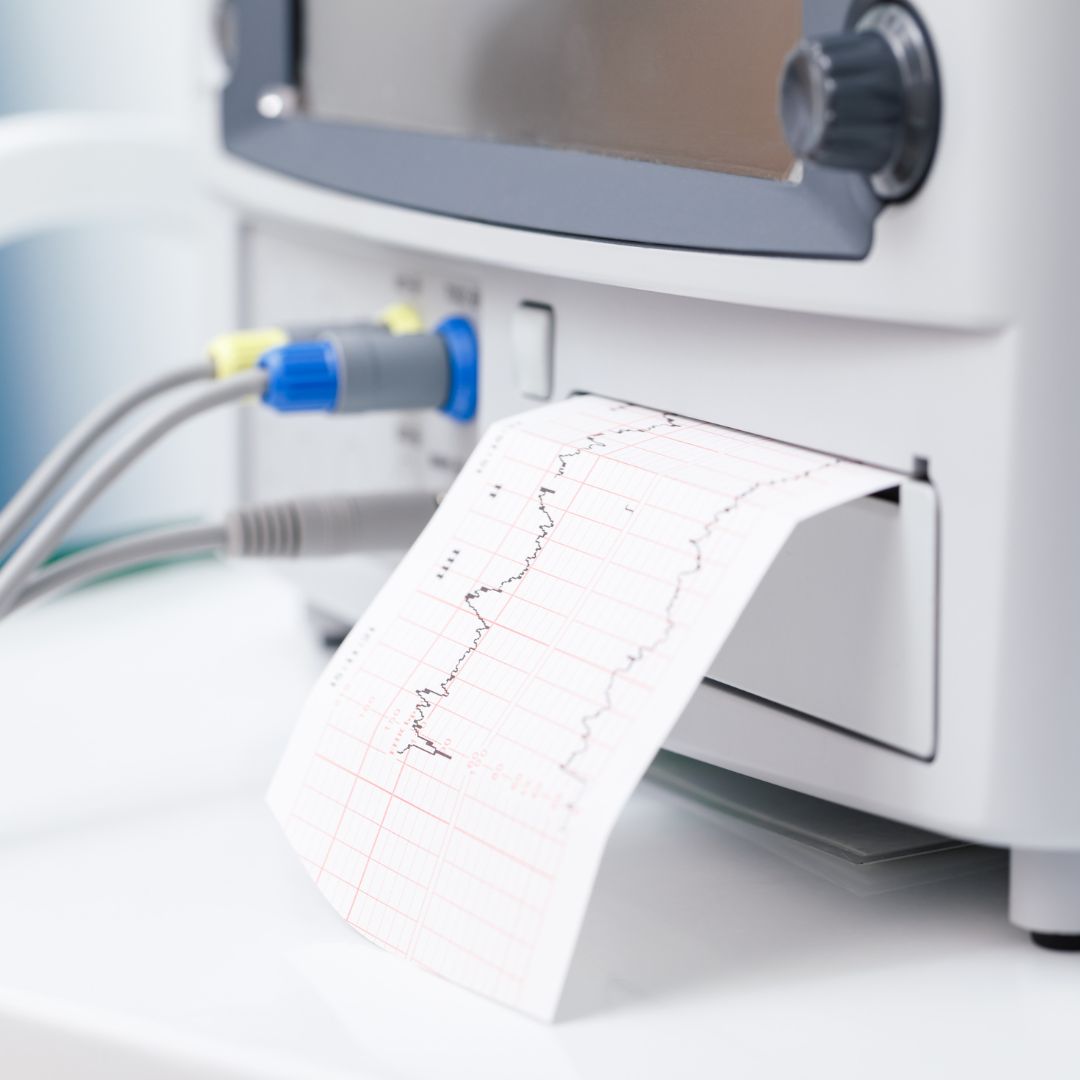
Today, whether you are just expecting your first child or have experienced child birth in the past few decades you are well aware of the extensive technology that is used to monitor the baby — like continuous fetal monitoring — once you arrive at the hospital. While the field of medicine is impressive, giving even second-term gestational babies a fighting chance, the use of the technology before birth may be raising more alarms and concerns than providing significant data, mainly due to the lack of research for interpreting the data at hand. This technology is a staple in the labor process, often used to monitor if a baby’s heart rate goes up or down, and can trigger the doctor to make a call for a C-section delivery depending on their interpretation.
Similarly, ultrasounds are used to take measurements while the fetus is growing. While it is always reassuring to patients to see their little babe growing bigger and stronger with each appointment, these measurements are not always accurate, leading to doctors ordering a C-section for “larger” babies. Other deciding factors that doctors and hospitals put in place to determine if a C-section is necessary can include how long women should spend pushing in active labor or even the amount of time it has been since their water has broken before a vaginal birth is ruled out.
We also cannot forget to mention that many women in the United States are electing to have scheduled C-sections for various reasons. It can be comforting to have some control such as scheduling the day, the time, and even the surgeon as well as an option for those who had a difficult vaginal birth.

What Does This All Mean for Expecting Mothers?
At the end of the day, it is important for expecting mothers to know that the decision to have a C-section is not an easy one and should not be taken lightly. It is important to discuss the risks associated with the procedure with your healthcare provider and to make sure you are informed of all potential outcomes.
Additionally, it is important to remember that each woman is different and no two pregnancies are the same — so relying on research and statistics often is not a good indicator of the outcome of your birth. Always discuss any of your concerns with a medical provider and determine a birth plan that is right for you.
Ensure You Are Getting the Postpartum Core Care You Need
If you have had a C-section or are planning to have a C-section, your postpartum recovery journey can be difficult to navigate. With little medical support beyond your six-week follow-up, you may be left feeling weak and hopeless. One Core Repair is here to help by providing you with the best core strengthening exercises to help postpartum women regain strength, and mobility, and improve their overall quality of life. Our community is here to support and empower you. We are women. We are fearless. We are strong. A C-section doesn’t define us.
Ready to Start Your Postpartum Core Recovery Journey? Sign Up Now!