In today’s world, many women are strongly aware of the term cesarean delivery, with this procedure accounting for one in five (21%) births of all childbirths worldwide. While many women have strong opinions about C-sections, their purpose, and lack of medical support for their healing journey postpartum — have you ever wondered how this method of delivery came to be?
At One Core Repair, we are not only dedicated to providing vital core strengthening and breathing exercises to improve the well-being of women postpartum or post-abdominal surgery, but we are also committed to shedding light on issues like C-section deliveries that are not always talked about. In today’s blog post, we are going to dive into the history of this delivery method and how it has drastically changed over the years.
Are You In Need of Postpartum Core Support? Reach Out!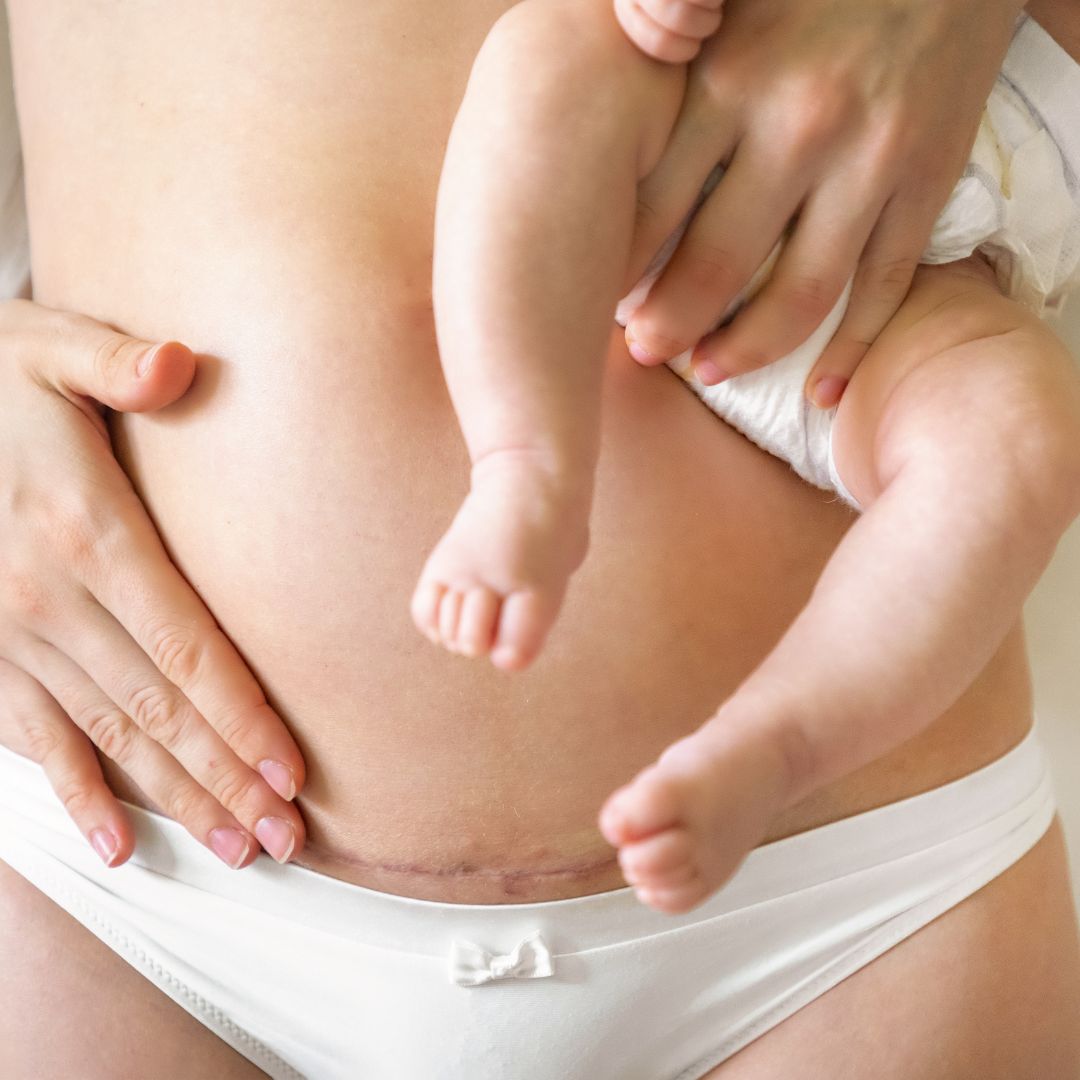
What is a C-Section?
A cesarean section, commonly known as a C-section, is a type of surgery used to deliver a baby. It involves making an incision in the mother’s abdomen, cutting through several layers of muscle and the uterus to allow for the baby’s delivery. C-sections are usually performed when a vaginal birth is not medically possible or is not recommended for the safety of the mother or baby. They can be planned ahead of time or done in an emergency. After the baby is delivered, the incision is closed with stitches or staples, often with a follow-up checkup or two.

What is the History of the C-Section?
While the first successful C-section performed in the United States was in 1974, this procedure has a long and varied history, with evidence of the practice being found in ancient civilizations such as the Roman, Greek, and Egyptian cultures.
In the Roman era, C-sections were used as a last resort to save the life of the baby or mother, and the recovery period was often long and painful. In the Middle Ages, the practice was largely abandoned due to the belief that it was a sin to cut the body. In the 17th century, C-sections became more accepted, but the mortality rate was still high.
In the 19th century, C-sections became more commonplace and safer due to the development of antiseptics and anesthesia. The mortality rate of the procedure decreased significantly and C-sections are now routine in many hospitals.
Today, C-sections are the most common surgical procedure performed in the United States, with nearly a third (29%) of all births likely to take place by cesarean section by 2030.
The C-Section as We Know It Today
In the past, if a woman did survive a C-section procedure, it often left women without the ability or option to conceive another child safely without risking her life or her unborn child’s life. But in the 1940s and 50s, the medical industry saw a drastic evolution of the cesarean due to a variety of factors including better antibiotics, safer medical practices, less risk of infection, and more education on the female anatomy. Also, the introduction of ultrasound technology changed the medical field not only for safer pregnancy and childbirth but also for a wide variety of medical procedures. Today, women can work with their healthcare provider to determine if a C-section is medically necessary or even preferred over a vaginal birth, with subsequent births having the option of scheduled, low-risk C-sections.
Low Risk Does Not Mean Without Risk
C-sections are becoming increasingly common, but with this rise in surgical births comes the potential risks that should be considered. A C-section is major surgery and should not be taken lightly.
The risks associated with a C-section include infection, increased blood loss, complications with anesthesia, increased risk of blood clots, and risk of injury to the baby. It is also important to note that a C-section may increase the risk of complications in future pregnancies, including preterm labor, placental problems, and uterine rupture.
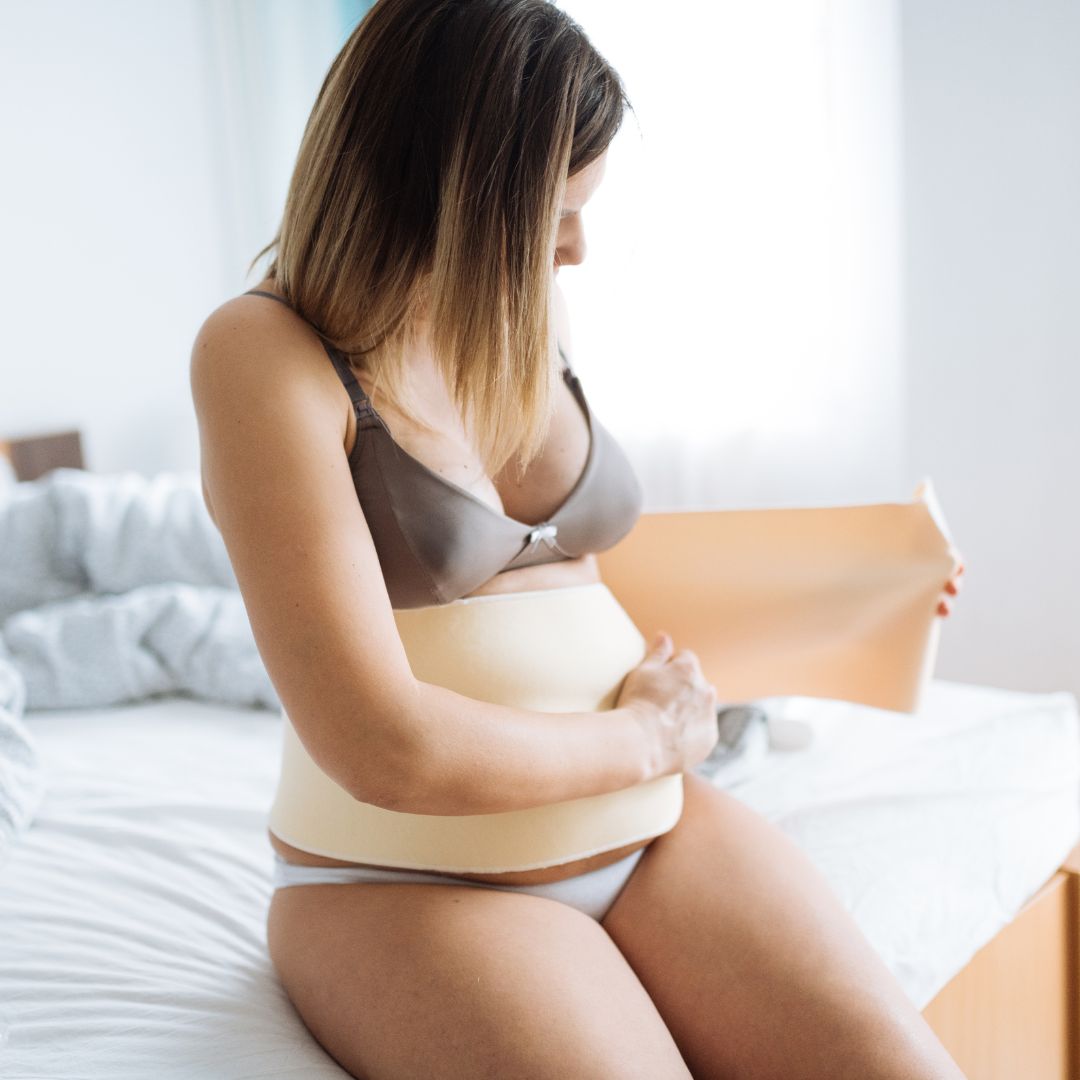
Many women also suffer from weakened core muscles, stability, back and neck pain, and even incontinence along with other physical limitations that come from major abdominal surgery. Unfortunately, while doctors are quick to boast about the benefits of a C-section, they are slow to recognize the amount of postpartum support that women need during their healing journey.
One Core Repair Can Help
While the decision to have a C-section is a personal one and is a decision made among expecting parents and their healthcare providers, One Core Repair is here to help women who have undergone C-sections or abdominal surgeries recover safely and with confidence. Our specialized program is designed to help restore strength, stability, and mobility to the core muscles so that women can return to their daily life with a sense of security and well-being (and of course happiness!).
We understand the importance of taking the time to heal and the importance of providing the right support to help you on your postpartum journey. Contact us today to find out how we can help you reach your postpartum goals.
Are You In Need of Postpartum Support? Join the One Core Repair Community