The history of childbirth is a remarkable journey that has seen significant changes over the centuries. Among the most critical developments in the field of obstetrics is the advent of the Cesarean section, commonly known as the C-section. This life-saving procedure has evolved over thousands of years, providing a safe passage for countless babies and mothers during complicated childbirths. In this blog, we will explore the captivating history of C-sections, from ancient practices to modern surgical techniques.
Ancient Beginnings
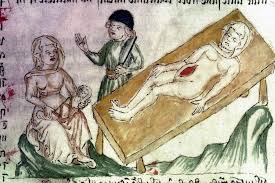
The origins of the C-section can be traced back to ancient times. The earliest records of the procedure can be found in ancient civilizations such as Egypt and Rome. However, these early C-sections were primarily performed postmortem, as they were only carried out when the mother died during childbirth, in an attempt to save the baby’s life.
Legend has it that Julius Caesar, the Roman military and political leader, was born through this procedure, hence the term “Caesarean section” derived from his name. While the historical accuracy of this story remains debatable, it has certainly contributed to the popularization of the term.

Medieval and Renaissance Periods
During the medieval and Renaissance periods, C-sections were still considered extremely risky and were performed only as a last resort due to the high mortality rates associated with the procedure. The lack of anesthesia, antiseptic techniques, and knowledge of anatomy contributed to the grim survival rates for both mothers and infants.
Interestingly, some records from this era indicate that the procedure was sometimes performed on living women in desperate attempts to save their lives and that of the unborn child. One notable figure in this regard is Jacob Nufer, a Swiss farmer’s wife, who survived the procedure in 1500, reportedly becoming the first woman to live through a C-section.
19th Century Advancements
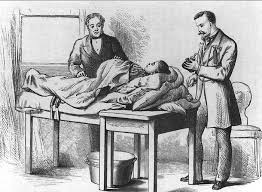
The 19th century brought about significant advancements in medicine and surgery, leading to a better understanding of obstetric practices. One notable name during this period was James Miranda Stuart Barry, a British military surgeon, who successfully performed a C-section in Cape Town in 1826. This procedure was likely the first recorded instance of a C-section performed on a living woman where both the mother and child survived.
With the introduction of anesthesia in the mid-19th century, particularly the use of chloroform and ether, C-sections became less painful and safer for mothers. Despite these improvements, the procedure remained associated with high mortality rates and was still considered a last resort.
20th Century Breakthroughs
The 20th century marked a turning point for C-sections, as advancements in medical technology and surgical techniques significantly improved its safety and accessibility. The development of antiseptic methods and antibiotics reduced the risk of infection, making the procedure more viable for saving lives.
The use of blood transfusions and advancements in anesthesia further contributed to better outcomes. As a result, the rate of C-sections gradually increased, becoming a more common method of delivery in cases of complicated childbirths.

Modern C-Sections
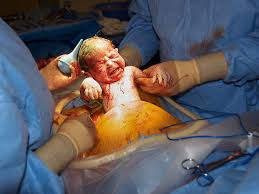
In recent decades, C-sections have become even safer and more commonplace. Medical imaging, such as ultrasound, allows for better prenatal diagnosis, enabling medical professionals to plan and schedule C-sections when necessary. Additionally, improvements in surgical techniques, such as the low transverse incision, have reduced the risk of complications and enabled quicker recoveries for mothers.
Today, C-sections are performed for various reasons, including fetal distress, breech presentation, multiple pregnancies, and maternal health concerns. While the procedure continues to be a critical lifesaving tool, there are ongoing efforts to promote vaginal birth when safe and appropriate, as C-sections, like any surgery, carry their own set of risks.
Conclusion
The history of C-sections is a testament to human perseverance and innovation in the face of medical challenges. From its ancient and perilous beginnings to the modern-day, C-sections have evolved into a vital procedure that saves countless lives every year.
As medical technology continues to advance, it is essential to strike a balance between the use of C-sections for medical necessity and the promotion of natural childbirth whenever possible. The history of C-sections reminds us of the remarkable progress made in obstetrics and the continuous quest to ensure the safety and well-being of both mothers and their babies.
As you can see c-section have been done for thousands of years and still to this day there is no medical program designed to fix, rehab or repair the damage to the muscle from the surgery. At One Core Repair we believe women should have a strong confident core and body to live their life to the fullest no matter how long ago they had your c-section or abdominal surgery ever 5000 years ago. Our 4 Phase program is impacting women around the world and we will not stop until it’s a standard in medicine that every mom gets the opportunity to have a strong core after c-section. https://www.onecorerepair.com/repair